Understanding Accreditation Standards for Congregate Living Facilities
Accreditation standards play a crucial role in ensuring that congregate living facilities meet the necessary quality and safety benchmarks. These standards are designed to guide healthcare providers in delivering optimal care while adhering to regulatory requirements.
For example, organizations such as The Joint Commission and the National Committee for Quality Assurance provide frameworks that help facilities implement best practices in patient care, safety protocols, and operational efficiency. Understanding these standards is essential for healthcare professionals aiming to enhance service quality and compliance.
Implementing Effective Quality Improvement Programs
Quality improvement programs are vital for congregate living facilities seeking to enhance patient outcomes and operational efficiency. These programs focus on systematic efforts to improve healthcare services through continuous assessment and refinement of processes.
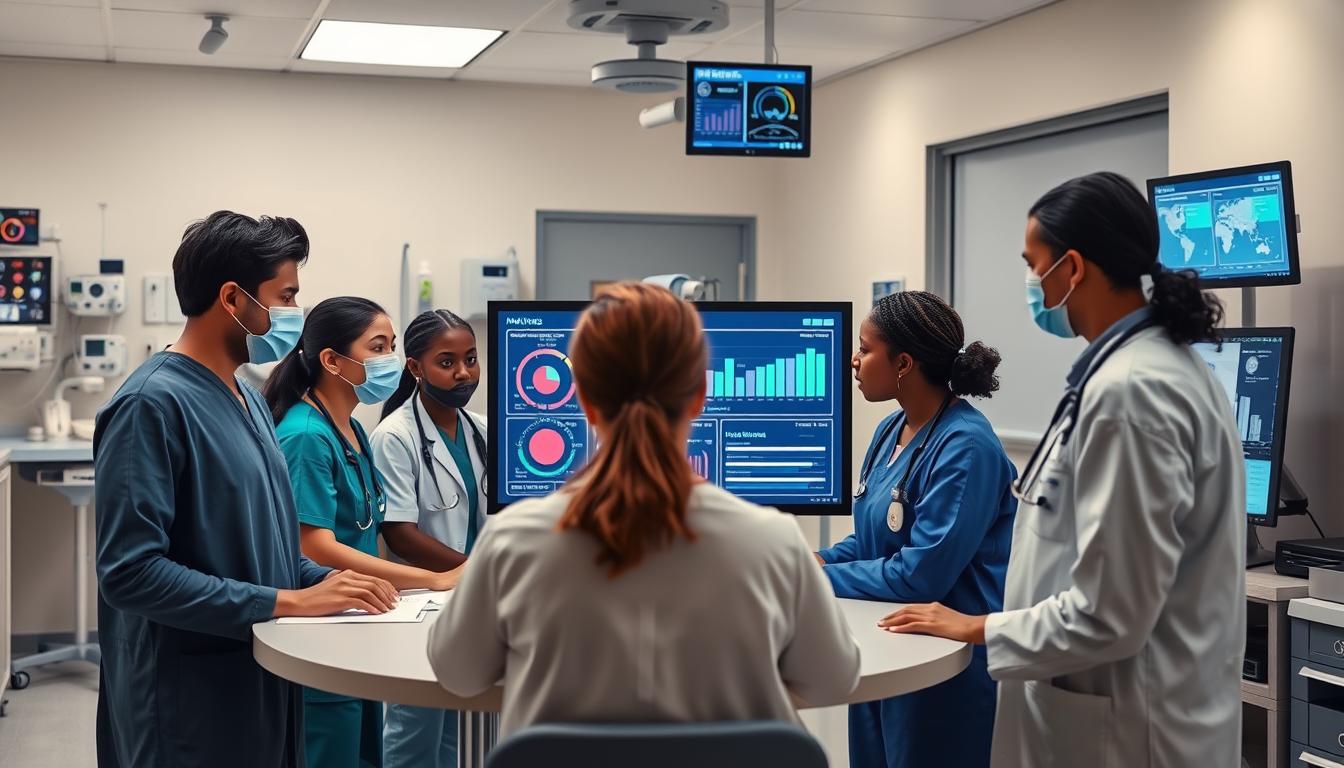
Facilities can adopt various methodologies, such as Plan-Do-Study-Act (PDSA) cycles, to identify areas for improvement. By actively engaging staff and utilizing patient feedback, organizations can foster a culture of quality that leads to better care and satisfaction among residents.
Best Practices for Patient Safety in Congregate Living
Ensuring patient safety is paramount in congregate living facilities, where vulnerable populations reside. Implementing best practices can significantly reduce the risk of adverse events and enhance the overall care experience.
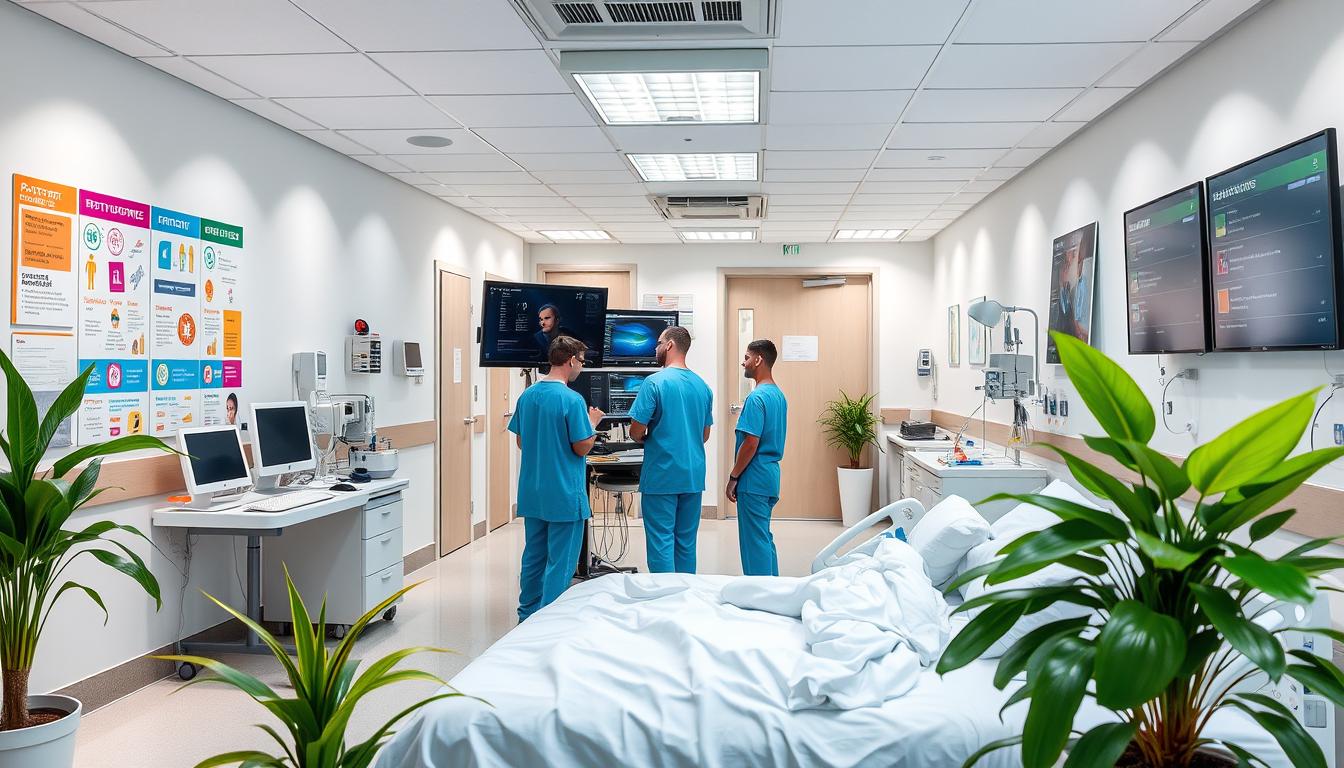
Strategies such as regular safety audits, staff training on emergency protocols, and the use of technology for monitoring patient health can help mitigate risks. Facilities that prioritize safety not only comply with accreditation standards but also build trust with residents and their families.
Leveraging Technology for Enhanced Healthcare Delivery
Technology plays a pivotal role in transforming healthcare delivery in congregate living facilities. From electronic health records (EHR) to telehealth services, technology enhances communication, documentation, and patient engagement.
By adopting innovative tools, facilities can streamline operations, improve data accuracy, and provide timely access to care. For instance, telehealth solutions allow healthcare providers to conduct virtual consultations, ensuring that residents receive necessary medical attention without the need for transportation.








You must be logged in to post a comment.